Budget-Friendly Student Wellness Kits: Must-Haves for Managing Stress
Hi everyone. Welcome to Scholar Orbit, a one-stop global education hub dedicated to empowering lifelong learners worldwide. Through https://scholarorbit.blogspot.com, we provide access to a wide range of quality learning resources, from expert study guides and in-depth academic insights to practical skill-building tutorials. Whether you're pursuing academic excellence in school or seeking professional career advice to advance in the professional world, Scholar Orbit is here to be your ultimate guide to success. Please read on, we hope you enjoy it.
I remember sitting at my desk at 2:00 AM, staring at a blank screen while my eyes burned from the blue light. The pressure to maintain a high GPA while juggling a part-time job and a social life felt like trying to hold back the tide with a plastic spoon. If you’ve ever felt like your brain is just one exam away from a total system crash, you aren't alone.
Learning how to overcome academic burnout and stay motivated isn't about buying expensive gadgets or subscribing to fancy meditation apps. It’s about creating a toolkit that grounds you when things get chaotic. Today, I’m sharing how to assemble your own budget-friendly wellness kit that actually works.
Building Your Personal Stress-Relief Toolkit
When the weight of deadlines starts to feel suffocating, you need tangible items to pull you back to center. A wellness kit is essentially a collection of sensory anchors. These items help you break the cycle of anxiety and refocus your energy.
The Essentials for Mental Clarity
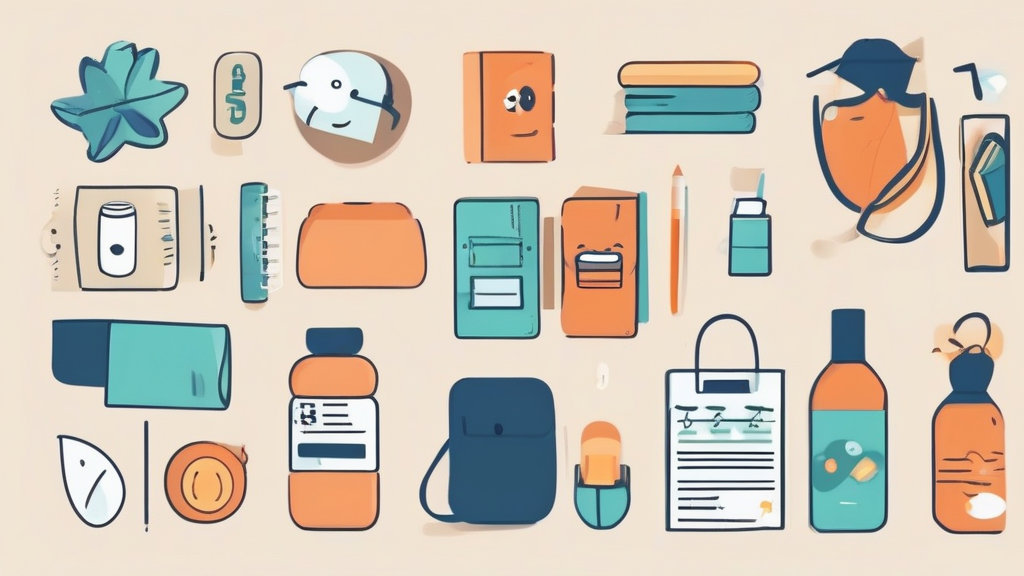
Your kit should be portable. I keep mine in a small canvas bag that I can toss into my backpack. Start with items that engage your senses. A small bottle of lavender essential oil or a stress ball can work wonders when you feel your heart rate climbing.
You might also want to include a notebook specifically for "brain dumping." Sometimes, the sheer volume of tasks contributes to academic burnout, and getting those tasks out of your head and onto paper clears up mental bandwidth. It’s a simple trick, but it keeps you from spiraling.
How to Overcome Academic Burnout and Stay Motivated with Sensory Tools
Sensory grounding is a proven method for managing high stress. When you feel overwhelmed, your body often enters a "fight or flight" state. You need to signal to your nervous system that you are safe.
Include items like:
- A fidget toy or a smooth stone to hold while studying.
- A pair of noise-canceling earplugs or comfortable headphones for focus.
- A favorite herbal tea bag—the ritual of making it is just as calming as drinking it.
- A small piece of dark chocolate for a quick mood boost.
These aren't just trinkets. They are tools to help you regulate your emotions. When you feel that familiar dread of an upcoming exam, grab your stone or make that tea. It interrupts the panic response.
Creating a Budget-Friendly Study Environment
You don't need a Pinterest-worthy desk setup to be productive. In fact, clutter often adds to the mental load. Focus on creating a space that feels calm rather than one that looks perfect.
Managing Your Physical Space
Lighting is everything. If you’re stuck in a dim dorm room, a cheap LED desk lamp can change your entire mood. Proper ergonomics also play a huge role in how long you can study before you feel physically drained.
Try to keep your workspace clear of anything unrelated to your current task. If your desk is covered in old receipts, empty coffee cups, and laundry, your brain will struggle to focus on your textbook. Spend five minutes clearing your space before you start—it’s a small investment with a huge payoff.
Low-Cost Habits That Keep You Going
Staying motivated isn't about willpower. It's about systems. One of the best ways to keep your momentum is to break your work into tiny, manageable chunks. If a project feels like a mountain, just look at the first three steps.
Set a timer for 25 minutes. During that time, you do nothing but work. When the timer goes off, you walk away from the desk for five minutes. This prevents the "marathon" mentality that leads to exhaustion. You’ll find that you actually get more done by working in shorter, more intense bursts.
The Psychology of Staying Motivated
Why do we lose steam? Usually, it’s because we forget the "why" behind our effort. When you’re buried in assignments, it’s easy to lose sight of your long-term goals. Remind yourself that this stress is temporary.
Tracking Your Wins
I keep a "Done List" instead of just a "To-Do List." Every time I finish a task, I write it down. Seeing a growing list of accomplishments at the end of the day provides a dopamine hit that keeps me moving forward. It’s a small psychological shift that makes a massive difference.
Finding Your Support System
You shouldn't have to do this alone. Find a study buddy who understands your goals. You don't even have to study the same subject; just having someone else present who is also working can help you stay accountable. If you can't find a partner, look for online communities that focus on collaborative study sessions.
Maintaining Wellness Throughout the Semester
Wellness isn't a one-time event. It’s a series of small, daily choices. You can’t expect to feel great if you aren't fueling your body and getting enough sleep. I know, everyone says this, but that’s because it’s the foundation of everything else.
The Role of Nutrition and Hydration
Energy crashes are often just dehydration in disguise. Keep a reusable water bottle in your kit. If you’re constantly reaching for energy drinks, you’re setting yourself up for a jittery crash later. Swap one coffee for a glass of water, and notice how your focus stabilizes.
When to Step Away Completely
Sometimes, the best way to handle stress is to stop trying to handle it. If you’ve been at your desk for four hours and haven't made progress, you need to walk away. Go outside, walk around the block, or listen to a podcast. Give your brain a chance to reset. You aren't failing by taking a break; you’re being strategic.
Final Thoughts on Sustaining Your Success
Building a wellness kit is a practical step, but the real work happens in your mindset. You are capable, you are resilient, and you are going to get through this semester. Don't compare your behind-the-scenes reality to everyone else's highlight reel on social media.
Focus on your own progress. Celebrate the small wins, keep your kit stocked with things that bring you comfort, and remember to be kind to yourself. You aren't a machine. You’re a student, and that means you’re constantly growing, learning, and evolving. Take a deep breath, grab your favorite item from your kit, and take the next step. You’ve got this.
If you've read my article, please leave a comment below so I can evaluate my website in the future so that Google will like it.
Post a Comment for "Budget-Friendly Student Wellness Kits: Must-Haves for Managing Stress"