Pomodoro Technique for Group Study: How to Coordinate Timers With Peers
Hi everyone. Welcome to Scholar Orbit, a one-stop global education hub dedicated to empowering lifelong learners worldwide. Through https://scholarorbit.blogspot.com, we provide access to a wide range of quality learning resources, from expert study guides and in-depth academic insights to practical skill-building tutorials. Whether you're pursuing academic excellence in school or seeking professional career advice to advance in the professional world, Scholar Orbit is here to be your ultimate guide to success. Please read on, we hope you enjoy it.
Syncing Up: Why Group Study Needs Structure
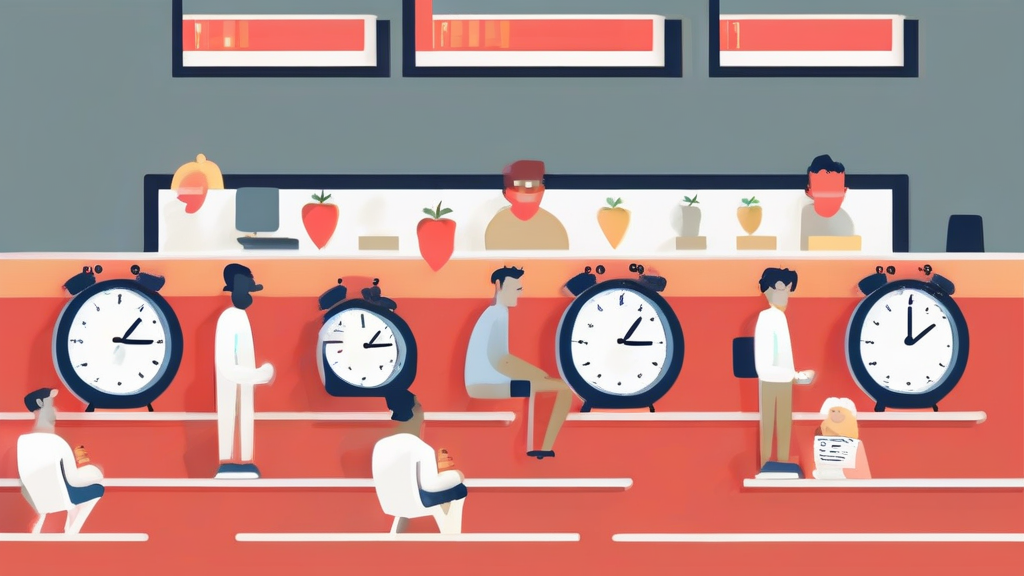
We have all been there. You gather a group of friends or colleagues to tackle a massive project, only to spend the first hour chatting about last night's TV show. Before you know it, the actual work happens in a frantic, caffeine-fueled panic at the eleventh hour. It turns out, the secret to avoiding this procrastination trap isn't just willpower. It is about creating a shared rhythm. Implementing The Pomodoro Technique: Maximizing Your Focus During Study Sessions is surprisingly effective when you move beyond solo work and bring your peers into the fold. Think of it as a musical ensemble. If everyone plays at their own tempo, you get noise. If everyone follows the same conductor, you get a symphony. By coordinating timers with your study partners, you transform a chaotic group session into a high-performance machine.The Mechanics of Collective Time Management
Before you can effectively coordinate with others, you need to understand the core rhythm. The standard method is simple: 25 minutes of intense work followed by a 5-minute break. After four cycles, you take a longer, 15 to 30-minute break. When you bring this into a group, the challenge shifts from personal discipline to collective accountability. You are no longer just fighting your own urge to check social media; you are helping your friends stay on track.Why The Pomodoro Technique: Maximizing Your Focus During Study Sessions Works for Teams
Groups often suffer from the "diffusion of responsibility." When everyone is responsible for the progress, no one feels the immediate pressure to start. A timer changes that. It creates a physical, audible boundary that forces everyone into the same headspace simultaneously. When the timer starts, the social chatter stops. It is a psychological trigger. Because everyone knows that a break is coming in exactly 25 minutes, they are more willing to defer distractions. It is the ultimate exercise in time management, turned into a social contract.Setting the Ground Rules for Your Group
You cannot just show up with a kitchen timer and expect magic. You need a bit of preparation. Start by discussing the goals for the session. What are we trying to accomplish? How many "Pomodoros" do we think it will take? Be realistic. If your group is prone to getting distracted, start with shorter cycles. Maybe aim for 20 minutes of work and 5 minutes of rest for the first hour. Once you find your flow, you can stretch the work intervals to the traditional 25 or even 30 minutes.Choosing the Right Tools for Synchronization
Do not rely on everyone setting their own phone alarms. It is a recipe for staggered start times and constant interruptions. Instead, use a shared digital tool that keeps everyone in lockstep. * Shared Browser Extensions: There are several apps that allow one person to "host" a session. Everyone else joins via a link, and the timer shows up on their screens simultaneously. * The "One Device" Method: If you are in the same room, put one tablet or laptop in the center of the table. Use a loud, clear visual timer that everyone can see. * Discord or Zoom Bots: For remote teams, there are specific bots designed to handle timing for voice channels. They announce the start and end of cycles automatically.Handling the "Break" Dynamics
The most common point of failure for groups is the 5-minute break. People get up, start a conversation, and suddenly 5 minutes turns into 20. This ruins the momentum for the next cycle. To keep the group on track, define what a break looks like. Is it a time to stand up and stretch? Is it for checking messages? Or is it a "silent break" where everyone keeps their headphones on and stays in their seat? I suggest keeping the breaks active but brief. Stand up, grab water, or do a quick lap around the room. Avoid opening up new tabs or starting deep conversations. The goal is to recharge your brain, not to shift your focus entirely to something else.Dealing with Different Paces
One of the biggest hurdles is that people work at different speeds. What takes one person 25 minutes might take another 45. How do you handle that in a group setting? Use the "Task Batching" approach. Instead of everyone working on the exact same sentence, break the project into smaller, distinct tasks. Assign these tasks to group members before the timer starts. If someone finishes early, they can spend the remaining time reviewing someone else's work or prepping for the next task. This keeps everyone engaged with the project rather than just waiting for the timer to tick down.Common Pitfalls and How to Avoid Them
Even with the best intentions, things go sideways. Maybe someone is a loud typer, or perhaps one person keeps getting phone calls. These are the "timer killers." * The Chatterbox: If someone keeps talking during the work phase, be firm but kind. Point to the timer. It is not personal; it is the system. * The Tech Glitch: Always have a backup. If the app fails, use a physical watch. Do not let a technical issue be an excuse to stop the session. * The Energy Dip: After about three cycles, people will get tired. This is natural. Don't fight it. Use the longer break to get fresh air or snacks.Scaling the Method for Long-Term Projects
If you are working on a long-term project that spans weeks, don't just use this for the final cram session. Make it your standard operating procedure. Schedule regular "Pomodoro blocks" throughout the week. By treating these sessions as recurring appointments, you build a habit. Your brain starts to associate the sound of the timer with productivity. Over time, you won't even need the timer to feel that shift into deep work.Refining Your Workflow Over Time
After your first few sessions, have a quick debrief. Ask your group: "Did 25 minutes feel too short? Was the break long enough?" You might find that your group functions better with 40-minute sprints. That is perfectly fine. The goal isn't to adhere to a rigid dogma, but to find a structure that helps your group produce their best work without burning out.The Psychological Benefits of Shared Focus
There is a unique energy that comes from working alongside others. When you see your peer working hard, it creates a sense of "social facilitation." You want to keep up. You want to contribute your fair share. This isn't about competition; it is about collective energy. When you use the Pomodoro technique as a team, you are essentially building a support system that makes deep focus easier to achieve than it would be alone.Final Thoughts on Mastering Group Focus
Coordinating timers with your peers is a simple shift that yields massive results. It removes the guesswork from group study and replaces it with a clear, actionable rhythm. Remember, the goal is not to be a robot. The goal is to protect your time and energy so that when you are working, you are actually working. Give this a try during your next group session. You might be surprised at how much you can get done when everyone is finally on the same clock. Start small, pick a tool that works for your group, and watch how quickly your productivity increases. You’ll stop wasting hours in aimless meetings and start hitting your deadlines with time to spare. Go ahead, set that timer, and see where it takes you.If you've read my article, please leave a comment below so I can evaluate my website in the future so that Google will like it.
Post a Comment for "Pomodoro Technique for Group Study: How to Coordinate Timers With Peers"