How to Set Up a Distraction-Free Study Environment at Home
Hi everyone. Welcome to Scholar Orbit, a one-stop global education hub dedicated to empowering lifelong learners worldwide. Through https://scholarorbit.blogspot.com, we provide access to a wide range of quality learning resources, from expert study guides and in-depth academic insights to practical skill-building tutorials. Whether you're pursuing academic excellence in school or seeking professional career advice to advance in the professional world, Scholar Orbit is here to be your ultimate guide to success. Please read on, we hope you enjoy it.
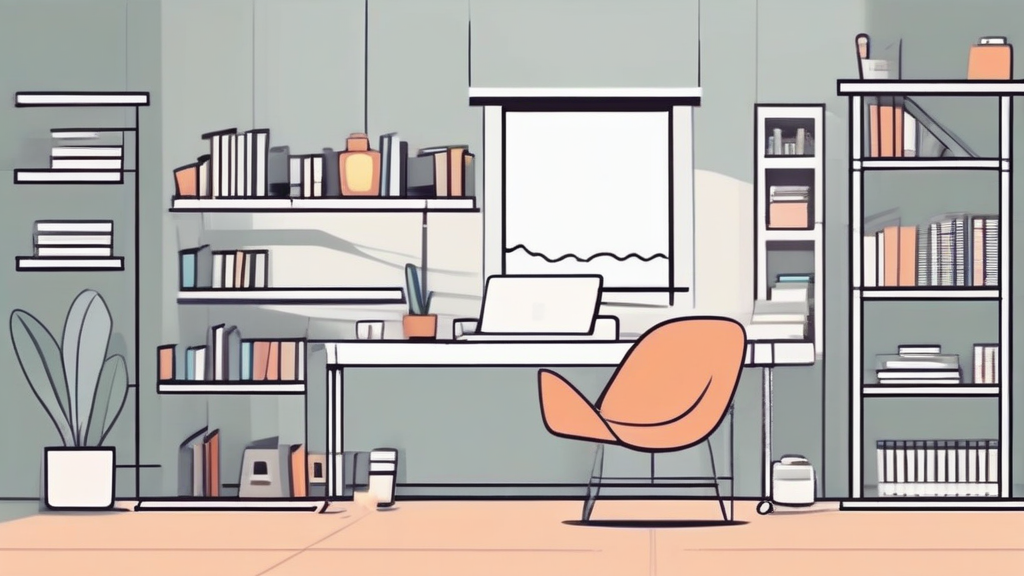
I still remember the first time I tried to finish an online certification course while sitting on my couch with the television blaring in the background. It was a disaster. I spent three hours staring at the same paragraph, distracted by every notification on my phone and the lure of the refrigerator. I realized then that if I wanted to grow, I needed a sanctuary for my brain.
Creating a dedicated space is more than just buying a desk. It is about crafting a psychological trigger that tells your mind it is time to work. When you combine this physical setup with the top 10 time management hacks for busy lifelong learners, you stop fighting your environment and start mastering your output.
Designing Your Personal Learning Sanctuary
Your environment dictates your behavior more than you might admit. If your desk is covered in bills, half-empty coffee mugs, and laundry, your brain will struggle to enter a state of flow. That mental friction is the enemy of progress.
Choose the Right Location
You do not need a massive home office to be productive. A quiet corner or a converted closet can work wonders. The key is physical separation. If you study in your bed, your brain will struggle to differentiate between resting and cognitive load.
Pick a spot that is used exclusively for learning. Even if it is just a specific chair at the kitchen table, claim it. When you sit there, you are there to work. When you leave, you are off the clock.
Lighting and Ergonomics
Bad posture is a silent focus killer. If your neck hurts after twenty minutes, your concentration will vanish. Invest in a chair that supports your lower back and ensure your screen is at eye level. This prevents physical fatigue, which is often mistaken for a lack of willpower.
Lighting is equally vital. Harsh, flickering bulbs can cause headaches, while dim lighting encourages sleepiness. Aim for natural light if possible. If you are working late, use a desk lamp with a neutral color temperature to keep your eyes fresh.
Top 10 Time Management Hacks for Busy Lifelong Learners
Once your desk is set, you need a strategy to handle your schedule. Being a lifelong learner is a marathon, not a sprint. You have to protect your energy as much as your time.
- The Pomodoro Method: Set a timer for 25 minutes of intense focus followed by a five-minute break. This simple rhythm keeps your brain sharp and prevents burnout.
- Time Blocking: Dedicate specific chunks of your day to deep work. Treat these blocks like non-negotiable doctor appointments.
- Eat the Frog: Tackle your hardest, most complex task first thing in the morning. Everything else will feel like a breeze afterward.
- Digital Minimalism: Use website blockers during your study sessions. Social media is designed to fracture your attention, so don't give it the chance to derail you.
- Batching Tasks: Group similar tasks together. If you have emails to answer, readings to do, and videos to watch, do them in distinct batches rather than jumping between them.
- The Two-Minute Rule: If a task takes less than two minutes, do it immediately. This clears small clutter from your mental workspace.
- Active Recall: Instead of mindlessly re-reading notes, test yourself. This strengthens memory and keeps you engaged with the material.
- Plan the Night Before: Spend five minutes every evening writing down your top three goals for the next day. You will wake up with a clear sense of purpose.
- Optimize Your Peak Hours: Identify when you are most alert. Are you a morning lark or a night owl? Schedule your most challenging cognitive tasks during your peak performance windows.
- Review and Reflect: Spend time on Sunday assessing what worked. Adjust your routine based on what actually happened, not what you hoped would happen.
The Psychology of a Distraction-Free Zone
Why do we struggle so much to stay focused? Often, it is because we underestimate the power of visual cues. Every object on your desk is a potential interruption. A stack of mail reminds you of errands, while a toy reminds you of play.
Keep your desk surface clear of anything unrelated to the task at hand. If you are studying history, put your math textbooks away. The goal is to create a visual vacuum where only the current subject exists.
Managing Digital Noise
Physical distractions are only half the battle. Your smartphone is a bottomless pit of dopamine hits. During your study blocks, put your phone in another room. If you can see it, your brain is actively working to ignore it, which consumes valuable mental energy.
Turn off all non-essential notifications on your computer, too. If you are worried about missing an emergency call, set your phone to allow contacts from family members only. Everything else can wait until your break.
Auditory Control
Some people love silence; others need a soundscape. If your home is noisy, try noise-canceling headphones. They are a game-changer for signaling to family members that you are in a "do not disturb" mode. If silence feels too heavy, try white noise or instrumental tracks that lack lyrics.
Building Sustainable Habits
Consistency is the secret sauce. You don't need to be perfect every single day. You just need to show up. If you miss a day, don't spiral into self-criticism. Just get back to your desk the next morning.
The top 10 time management hacks for busy lifelong learners I mentioned earlier only work if you actually apply them. Start with one or two. Once those feel natural, layer in the others. Building a habit is an iterative process.
Tracking Your Progress
Keep a simple log of what you study. Seeing your progress written down provides a massive psychological boost. It transforms abstract goals into tangible achievements. When you look back at a month of consistent learning, the momentum becomes self-sustaining.
Remember that your brain is a muscle. It needs rest, hydration, and proper fuel. Don't push yourself to the point of exhaustion. If you find your mind wandering after three hours, take a longer break. Walk outside. Move your body. Your learning capacity will thank you.
Creating Boundaries with Others
If you live with family or roommates, the biggest distraction is often people. You must communicate your needs clearly. Explain that when your door is closed, or when you are wearing your headphones, you are in a deep work phase.
It can feel awkward to set these boundaries at first. You might worry about appearing rude. However, people generally respect dedicated study time if you explain why it matters to you. It is not about shutting people out; it is about protecting the quality of your time.
The Ritual of Starting
Create a small ritual to start your study session. Maybe it is making a cup of tea, putting on a specific pair of glasses, or playing a specific playlist. These small actions act as a "start" signal for your brain. It bridges the gap between your busy life and your focused study time.
Think of it like a professional athlete warming up before a match. You are preparing your mind to perform. The more you repeat this ritual, the faster you will enter a state of focus. It becomes automatic.
Final Thoughts on Your Learning Journey
You have the power to curate your environment. You are not a victim of your surroundings; you are the architect. By minimizing physical clutter, controlling your digital input, and implementing the top 10 time management hacks for busy lifelong learners, you create the space necessary for deep growth.
Stop waiting for the perfect time to start. There is no perfect time. There is only the time you carve out for yourself. Start by cleaning off your desk tonight. Put your phone in a drawer. Tomorrow morning, sit down and commit to just one block of deep, uninterrupted work.
You will be surprised at how much you can achieve when you finally stop fighting your own environment. Are you ready to reclaim your focus? Pick one hack from this list and put it into practice today. Your future self will thank you for the progress you make starting right now.
If you've read my article, please leave a comment below so I can evaluate my website in the future so that Google will like it.
Post a Comment for "How to Set Up a Distraction-Free Study Environment at Home"